The story of the candy cane
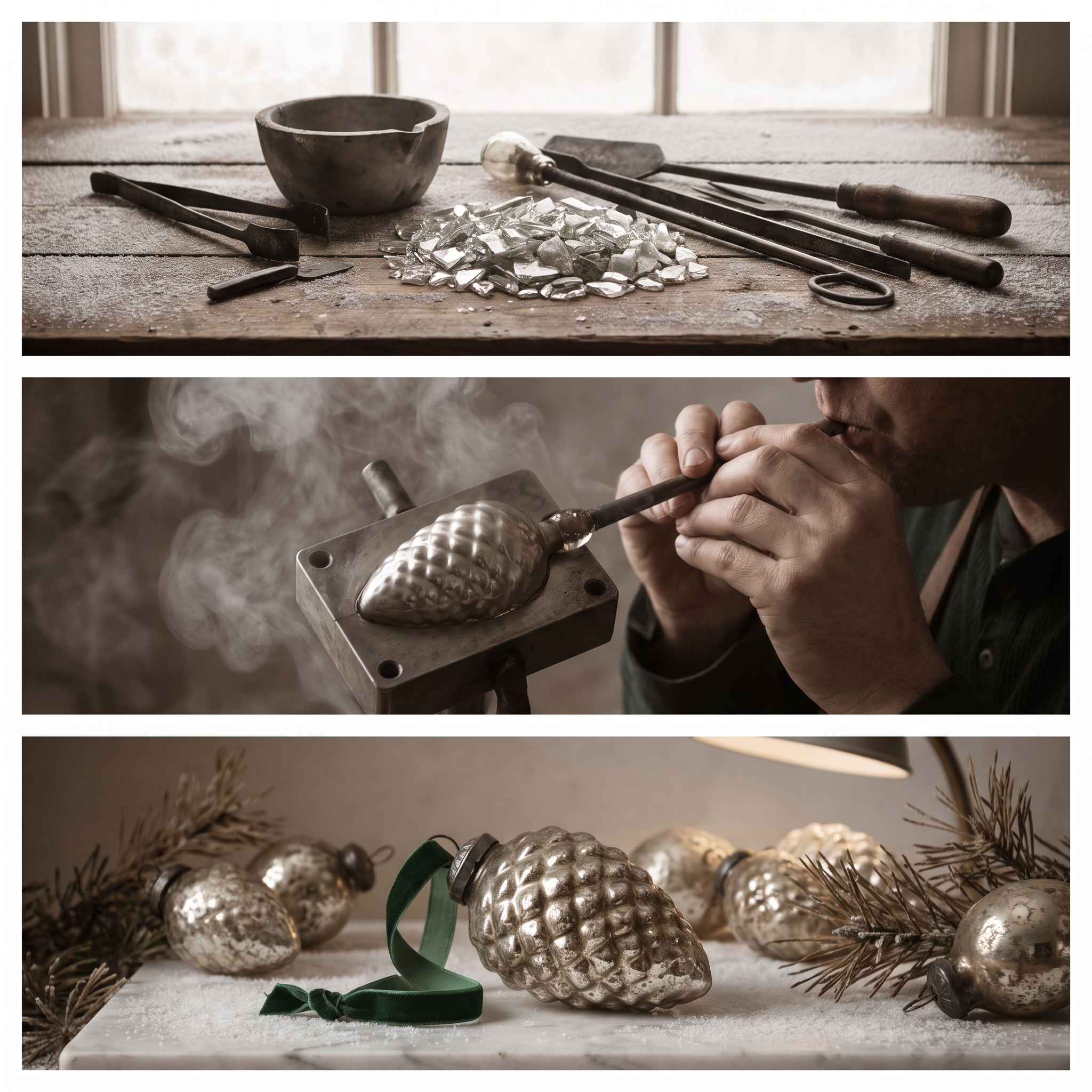
Plain white sugar sticks have been a Christmas treat since at least the 1600s, when a choirmaster in Cologne is said to have bent them into a hook shape to keep children quiet during the nativity service — the curve doubling as a shepherd's crook.
The red stripes came much later, sometime around 1900, alongside peppermint flavoring. By the mid-20th century, a machine built to auto-twist the stripes made the candy cane cheap and easy to produce at holiday scale.
These days it's as likely to hang on the tree as end up in a mug of cocoa — either way, still the same simple sugar stick from four hundred years ago.
Baking & kitchen
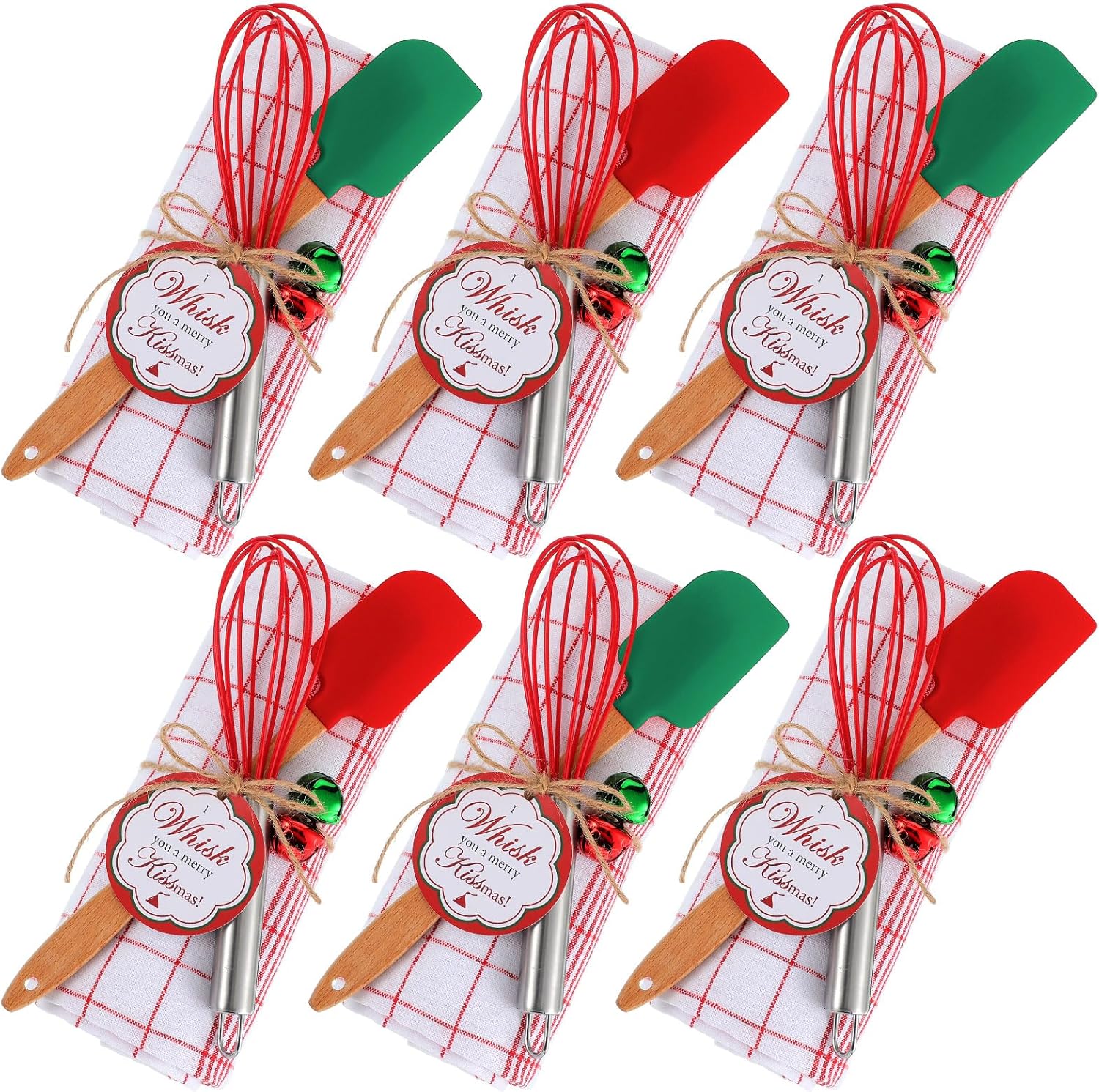
18 Pcs Christmas Whisk & Baking Gift Set, Silicone Spatula, Whisk, Buffalo Plaid Dishcloths

Christmas Baking: Festive Cookies, Candies, Cakes, Breads, and Snacks
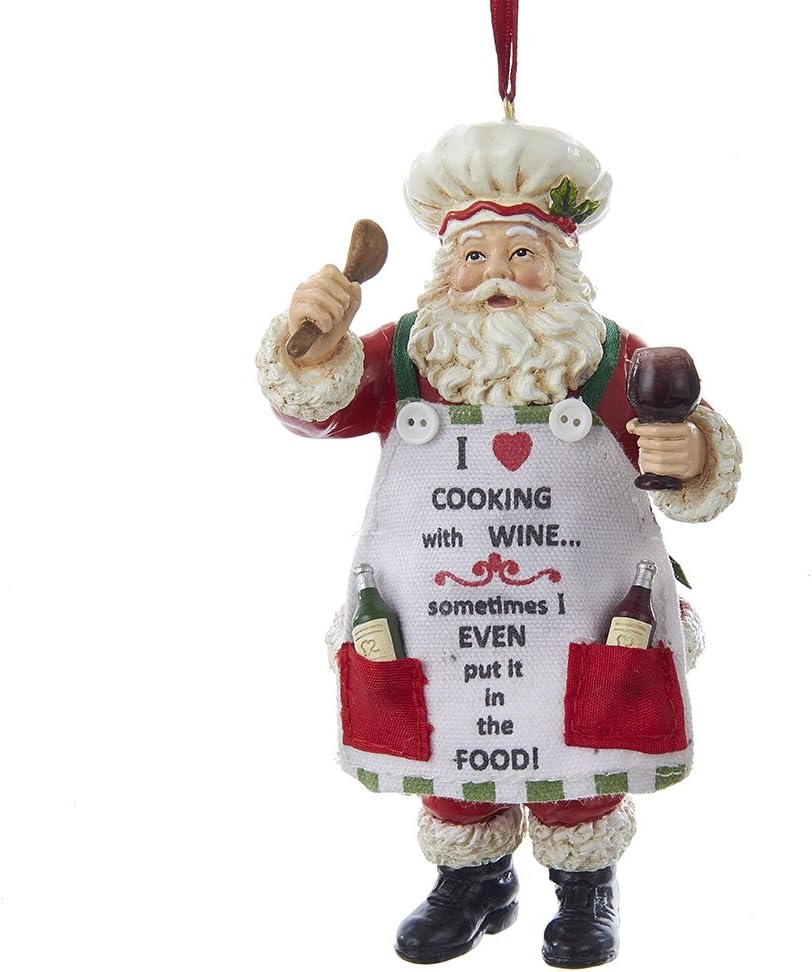
Kurt Adler 5" Santa Chef with Wine Resin Ornament
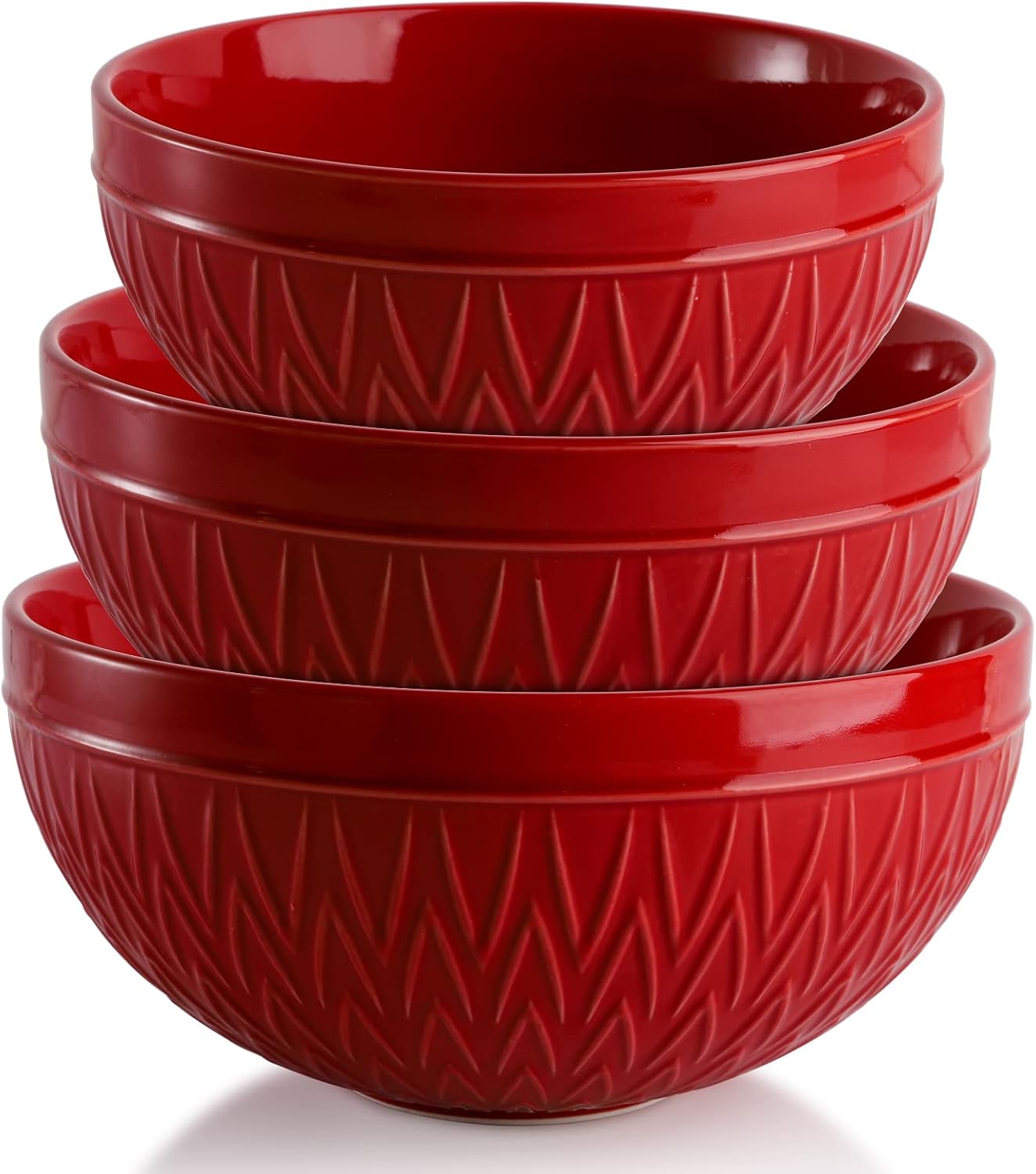
AVLA Porcelain Mixing Bowls, Deep Nesting Bowl Set
As an Amazon Associate we earn from qualifying purchases.